
 EN
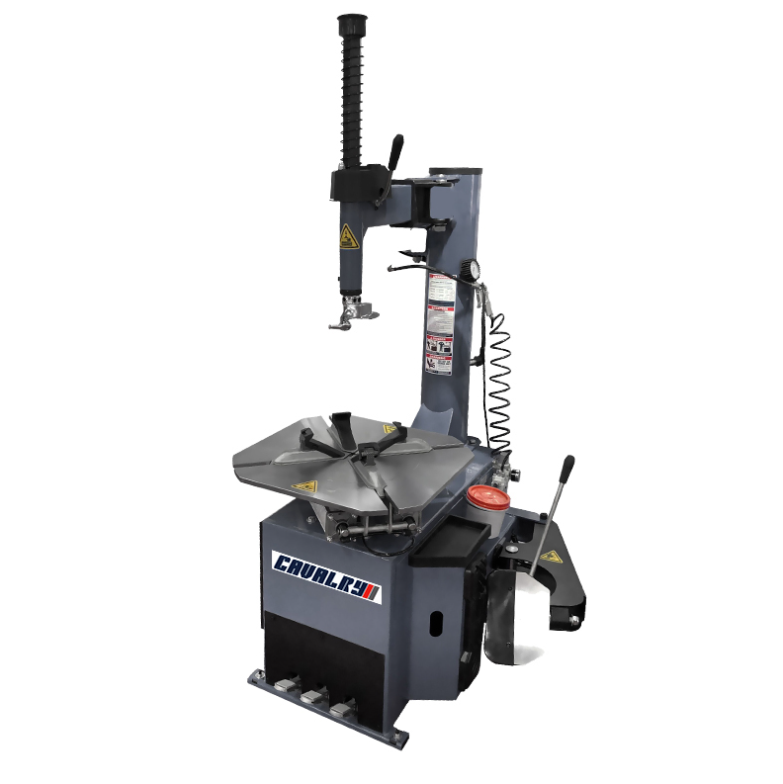
What professional-grade workshop tools actually change
A shop rarely loses money on the first job of the day. Losses show up later, when a cheap ratchet rounds a fastener, a low-cost press drifts out of alignment, or a lift needs another repair before the bay can be cleared. Professional-grade workshop tools are built for that repeated grind. Better steel, tighter machining tolerances, stronger bearings, and serviceable parts keep work moving when the schedule is full. The benefit is not one heroic repair. It is a more predictable day, job after job.
The real cost of cheap equipment shows up later
Purchase price is only one line in the ledger. Downtime, replacement labor, damaged parts, and missed deadlines often cost far more. A budget impact wrench might save a few hundred dollars up front, then fail during a rush. The vehicle stays on the lift. The customer waits. A technician reaches for a backup tool that may not have the right torque curve.
| Cost category | Low-cost tool path | Professional-grade tool path |
|---|---|---|
| Initial purchase | Lower upfront price | Higher upfront price |
| Service life under daily use | Often shorter | Longer with serviceable parts |
| Downtime risk | Higher when tolerances drift | Lower with stable performance |
| Replacement frequency | More frequent | Less frequent |
| Total cost over five years | Often underestimated | Easier to budget |
Professional-grade equipment does not remove maintenance. It makes maintenance predictable. Parts can be rebuilt or calibrated instead of forcing a full replacement. In a busy bay, that predictability protects the schedule and the customer relationship.
Precision, safety, and repeatability
Precision is not a luxury feature. A torque wrench that loses calibration can leave a wheel undertightened or overstretched. A worn press can slip under load. OSHA has long emphasized routine inspection, proper tool selection, and ergonomic design as ways to reduce injuries in maintenance and repair work. Tools that stay within specification reduce the variables a technician has to fight.
Good design also lowers physical strain. Balanced handles, smooth triggers, lower vibration, and predictable kickback matter over a career. A technician may use a grinder, impact, or ratchet thousands of times per year. Cheap tools often transfer more shock into the hands and wrists. Professional designs manage that energy more effectively.
A comparison beyond sticker price
The useful comparison is not premium versus budget. It is planned cost versus surprise cost. A shop can budget for professional-grade tools over their service life. Surprise costs arrive without warning: a cracked housing, a stripped gear, a damaged customer vehicle, or a repair that blocks a bay for a day.
Professional-grade workshop tools also fit into a system. A lift works with the right adapters. A press works with the right plates. A diagnostic platform communicates with the vehicles that actually roll through the shop. That fit reduces workarounds and makes training easier.
There is a limit worth stating honestly. Good tools do not fix poor procedures. If calibration is skipped, inspection intervals are ignored, or untrained staff operate high-force equipment, even excellent tools will underperform. The tool is part of the process, not a replacement for it.
Case from a Gulf Coast maintenance facility
During a retrofit at a chemical plant maintenance facility on the U.S. Gulf Coast, a crew was preparing to replace aging hydraulic presses. The old units had been patched for years. Seals leaked, pressure readings wandered, and every job required a technician to watch the gauge. A lower-cost import press was tried first. It handled light duty, but after months of daily bearing and bushing work, the frame flexed under load and the ram lost alignment.
The replacement was a professional-grade press with a reinforced frame, guided ram, and serviceable hydraulic components. The difference was not just speed. The crew could trust the gauge. Setup became repeatable. Maintenance moved from emergency repairs to a scheduled seal and fluid check. The same pattern appears in automotive shops. A six-bay general repair shop may not need heavy industrial specifications, but it does need equipment that survives repeated use and supports accurate torque and alignment work.
How to choose equipment that fits the work
What jobs happen every week? Which failures cost the most in downtime? Those questions prevent overbuying in one area and underbuying in another.
A practical process looks like this:
-
List the ten most common jobs and the tools used for each.
-
Track downtime and replacement costs for current equipment.
-
Check whether safety rules or industry standards require specific inspection or calibration practices.
-
Compare total cost over a realistic service life, not just the invoice price.
-
Choose equipment that can be serviced, calibrated, and supported with available parts.
For many shops, the strongest argument for professional-grade workshop tools is not a single feature. It is the ability to plan. CAVALRY has built its reputation around that kind of practical support, with more than 20 years of product development, a broad machinery portfolio, and global installation experience. The goal is to remove guesswork from the buying decision and put dependable equipment into the hands of people who use it every day.