
 EN
Quick Links
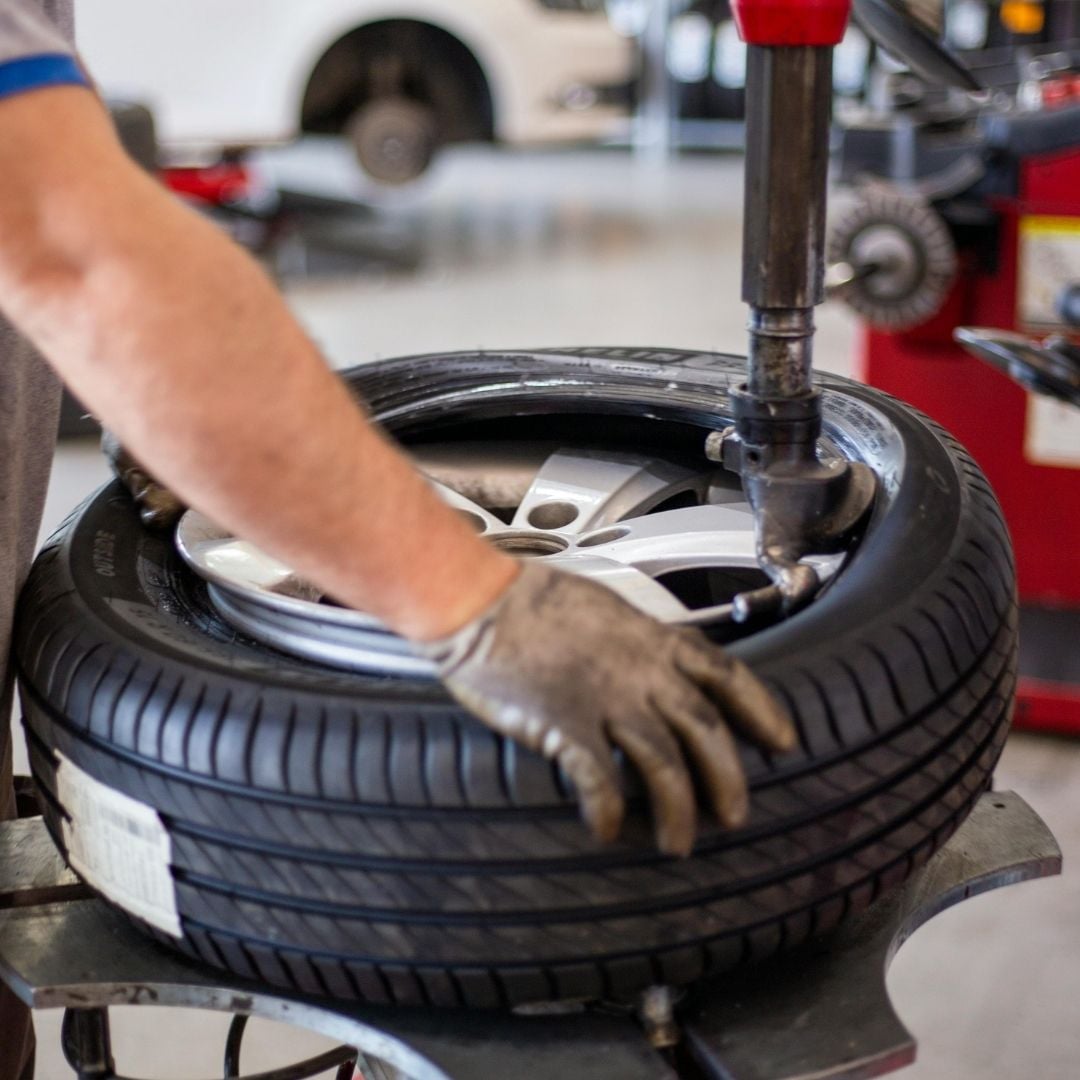
Selecting the right tire changer for your automotive repair shop is a critical equipment decision that directly impacts operational workflow, shop profitability, and technician safety. A high-performing tire changer machine enables your service bay to process vehicles rapidly, minimize wheel damage, and expand service offerings to include modern low-profile and run-flat tires. With a vast array of garage machinery available today, evaluating tire changing equipment based on structural design, automation levels, and wheel size capacity is paramount. At Cavalry, we provide comprehensive guidance to help workshop managers and tire specialists choose the perfect tire changer machine tailored to their unique operational demands.
To make an informed purchase, service managers must understand the core mechanical assemblies of a professional tire changer machine. Modern tire changing equipment relies on several heavy-duty systems:
Pneumatic Bead Breaker: Uses high-force pneumatic cylinders to unseat stubborn tire beads from the rim flange without causing wheel distortion.
Turntable and Clamping Jaws: Rotates the wheel while secure clamping jaws hold the rim internally or externally. Advanced models utilize non-marring nylon protectors to prevent scratches on delicate alloy wheels.
Mount/Demount Head: Guides the tire bead over the rim lip using specialized steel or plastic duckhead designs.
Pneumatic Assist Arm (Helper Arm): Essential for mounting stiff sidewall tires, low-profile performance rims, and heavy run-flat assemblies without manual prying.
At Cavalry, we engineer tire changer equipment built with reinforced towers and heavy-duty pneumatic cylinders to withstand continuous commercial use.
Selecting the correct degree of automation determines your service speed and physical workload. There are three primary types of tire changer machines:
A manual tire changer represents the most basic category of tire mounting equipment. This type of manual tire changer relies entirely on mechanical leverage and physical effort from the operator to break tire beads and demount tires off the rim.
Operation: Requires manual tire levers, foot bars, and manual clamping mechanisms.
Best Suited For: Low-budget DIY enthusiasts, small agricultural garages, or emergency mobile service units handling standard steel rims.
Limitations: A manual tire changer is slow, physically grueling, and unsuitable for delicate custom alloy wheels or high-volume commercial shops.
A semi-automatic tire changer is the industry workhorse across independent auto repair shops. These machines combine pneumatic power with a manual swing-arm tower design.
Operation: The operator manually swings the tool arm sideways into position and locks the mount head height with a mechanical lever. Pneumatic cylinders power the clamping jaws and turntable rotation.
Best Suited For: General service repair shops, medium-volume tire centers, and commercial garages seeking maximum efficiency at a cost-effective investment point.
Advantages: A semi-automatic tire changer dramatically speeds up tire servicing compared to manual models while keeping equipment cost manageable. Cavalry recommends adding a pneumatic assist arm to semi-automatic models for handling stiff sidewalls.
An automatic tire changer (featuring a pneumatic tilt-back tower or leverless design) represents top-tier tire changing technology. These sophisticated machines utilize pneumatic controls, electric drive motors, and integrated sensors to complete demounting with minimal operator fatigue.
Operation: At the touch of a pneumatic pedal, the entire tower tilts back automatically to save positioning setups for matching wheel sets. Advanced leverless automatic tire changer units eliminate traditional tire irons completely.
Best Suited For: High-volume tire dealerships, luxury vehicle specialists, and shops servicing expensive aftermarket wheels daily.
Efficiency Impact: An automatic tire changer maximizes throughput, minimizes operator fatigue, and virtually eliminates rim damage risk.
Tire size capacity is a crucial factor when selecting a tire changer machine. Vehicle wheels vary drastically across automotive segments—trailer tires and compact passenger cars feature small rim diameters, whereas light trucks, SUVs, and commercial vehicles require expansive clamping dimensions.
Before purchasing a tire changer machine, evaluate the following size parameters:
External Clamping Range: Measures how wide the clamping jaws expand to lock rims from the outside (typically 10 to 26 inches).
Internal Clamping Range: Measures rim locking from the inside flange (typically 12 to 28 inches or higher).
Maximum Tire Diameter: Ensures the tire changer frame accommodates wide overall tire diameters (such as 39 to 45 inches) without binding against the vertical tower.
Maximum Tire Width: Dictates the maximum cross-sectional width (e.g., 12 to 15 inches) the bead breaker blade and clamping table can process.
If your service center accommodates diverse client needs, Cavalry advises choosing a flexible tire changer machine with a broad clamping range and expandable rim adapters.
To summarize key differences across tire changing equipment options, Cavalry has structured this comparative summary:
| Feature / Metric | Manual Tire Changer | Semi-Automatic Tire Changer | Automatic Tire Changer |
| Tower Design | Stationary Column | Manual Swing-Arm | Pneumatic Tilt-Back / Leverless |
| Power Source | Physical Leverage | Compressed Air / Electric Motor | Compressed Air / Electric Motor |
| Operator Effort | High Physical Effort | Low to Moderate Effort | Minimal Effort |
| Risk of Rim Scratches | Higher | Low (with plastic guards) | Ultra-Low / Touchless |
| Low-Profile / Run-Flat Capability | Not Recommended | Excellent (with Helper Arm) | Superior / Standard Feature |
| Ideal Daily Volume | 1 to 5 Tires | 10 to 30 Tires | 30 plus Tires |
When selecting your shop's next tire changer machine, Cavalry highlights four essential factors:
Service Volume and Speed: High-volume shops need the rapid positioning of an automatic tire changer to reduce bay cycle times.
Wheel and Rim Diversity: Servicing low-profile tires requires a semi-automatic tire changer or automatic tire changer outfitted with dual assist arms.
Workshop Floor Space: Swing-arm semi-automatic models can sit close to back walls, while tilt-back automatic tire changer models require extra rear clearance.
Long-Term Durability and Parts Availability: Cavalry manufactures robust tire changing machinery equipped with high-torque gearboxes and heavy-duty steel structures, supported by ready spare parts availability.
Investing in a high-quality tire changer machine is essential for boosting workshop efficiency, increasing bay capacity, and safeguarding valuable customer rims. Whether you require a budget-friendly semi-automatic tire changer or an advanced automatic tire changer, Cavalry delivers durable, professional-grade tire changing equipment engineered to elevate your automotive business. Contact the equipment specialists at Cavalry today to discover the ideal tire changer for your shop.
Copyright © 2026 by CAVALRY - Privacy policy
