
 EN
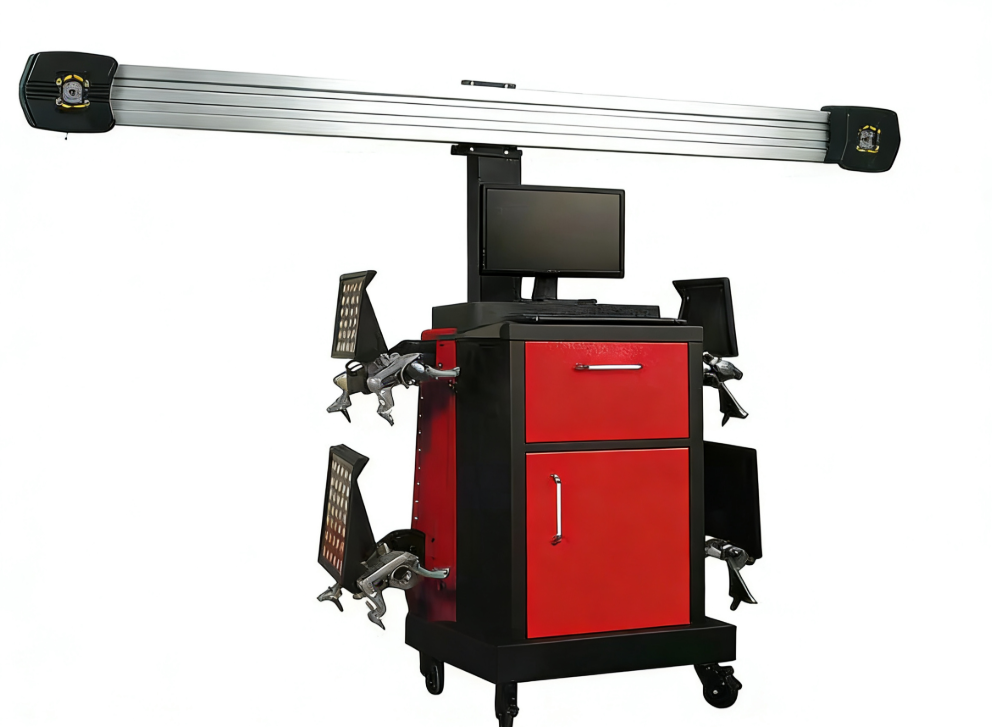
Where alignment revenue is often left on the table
A modern wheel alignment machine is not just a tool for fixing pulling cars. It is a revenue engine that connects tires, suspension, steering, and customer trust. When a shop sends alignment work to another facility, the repair order leaves the building. The customer waits longer, the shop loses the labor and parts opportunity, and the technician never gets to inspect the steering and suspension components up close. Tires wear unevenly. A simple rotation turns into a complaint. A front-end job that could have been sold becomes a comeback. The money is not missing because demand is low. It is missing because the capability is not in the bay.
The business case behind faster diagnosis and documentation
A modern alignment system captures camber, toe, caster, thrust angle, and related readings in a few minutes. That speed matters, but the bigger business shift is documentation. Before-and-after reports give the service advisor something concrete to show. A customer who sees a red toe reading understands why the tires are feathered. That clarity supports approval for tie rod ends, ball joints, or a strut replacement. The alignment machine becomes a diagnostic gateway, not a standalone service. When the alignment bay is busy, the whole shop sees more suspension work, more tire sales, and fewer steering-related comebacks. The revenue increase is not only from alignment labor. It comes from the repair opportunities that alignment inspections reveal. Modern vehicles also have tighter tolerances, and a small thrust angle error can affect tire wear and steering feel. Stability control and steering angle sensors depend on a proper reference, which makes documented alignment work more valuable than ever.
A comparison that shop owners recognize
| Business factor | Sublet alignment work | In-house modern wheel alignment machine |
|---|---|---|
| Alignment labor revenue | Goes to another shop | Stays in the service bay |
| Customer wait time | Often a day or more | Usually same day |
| Suspension inspection | Limited or skipped | Built into the alignment process |
| Tire replacement attachment | Weaker | Stronger with documented readings |
| Comeback risk | Higher when steering complaints are guessed at | Lower with measured before-and-after data |
| Equipment cost | None upfront | Purchase or lease expense |
| Bay productivity | Depends on outside shop schedule | Controlled by the service team |
The table does not promise a fixed payback period. Every market, labor rate, and vehicle mix is different. What it shows is where the money moves. A shop that captures alignment work keeps the labor, the parts, and the customer relationship inside its own walls.
A real shop scenario that changed the daily routine
At an independent tire and service shop in the upper Midwest, alignment work had been sublet for years. The owner knew something was off when a regular customer came back three times for a steering wheel that would not center. The outside alignment shop had good equipment, but the communication loop was slow. The vehicle sat overnight. The tire technician could not verify the readings. The service advisor had no report to show the customer. After installing a modern wheel alignment machine, the shop ran the alignment in its own bay. The first week revealed a worn outer tie rod on a vehicle that had been aligned twice elsewhere. The repair was approved because the customer could see the play in the component and the alignment readings before and after. The shop did not double its revenue overnight. It did stop losing alignment labor and started finding suspension work that had been invisible before.
What matters before signing the invoice
Buying a wheel alignment machine is not only about the camera or the screen. The bay needs a level floor, stable power, and enough space for the vehicle to roll during compensation. Technicians need training on runout compensation, steering sweep procedures, and how to read thrust angle. The equipment must be calibrated and maintained. A machine that sits idle because the bay is cluttered or the staff is unsure how to use it will not increase revenue. The purchase decision should include the installation, the training, and the service support. SAE J670 defines many of the vehicle dynamics terms used in alignment work, including camber, toe, and caster. Those definitions are the language of the trade. A shop that speaks that language clearly can sell alignment work with confidence. A calibration check should be part of the routine, not an afterthought.
Building a bay that pays for itself
The quickest revenue gains usually come from three changes:
-
Offering alignment checks with every tire replacement.
-
Using before-and-after reports to support suspension and steering repairs.
-
Keeping the alignment bay clean, calibrated, and ready for same-day service.
None of these steps require a massive marketing budget. They require a reliable machine and a process that the team follows. The equipment supply behind that process matters as much as the screen on the cabinet. CAVALRY has spent more than two decades developing automotive equipment with a focus on manufacturing control, quality inspection, and global support. With a broad machinery portfolio and installations in many countries, the company works to remove guesswork from equipment decisions and keep service bays productive. That kind of support helps a shop focus on the work, not the equipment.