
 EN
Quick Links

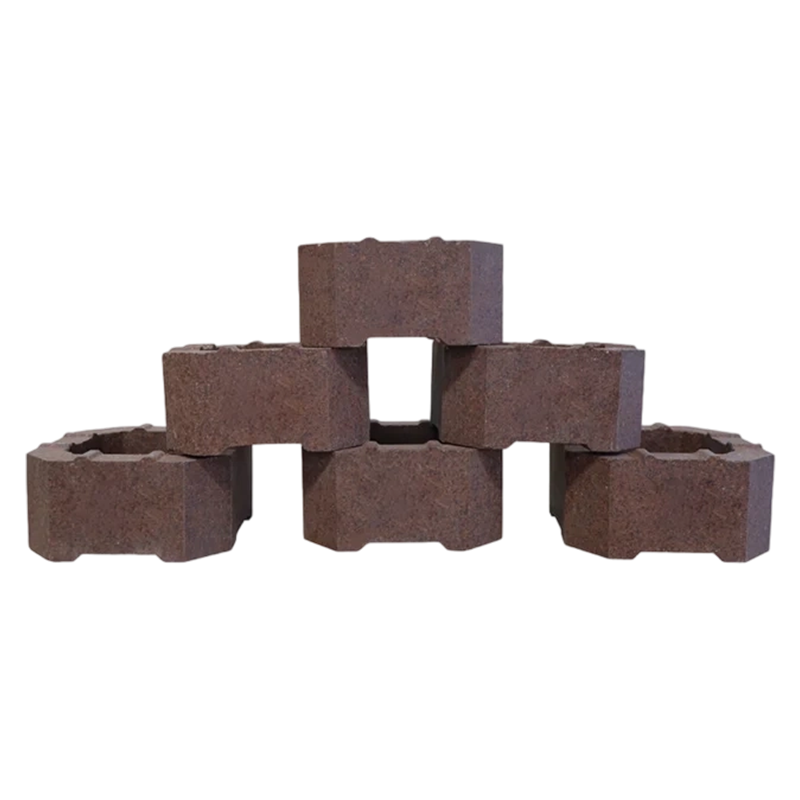
The Magnesia Olivine Brick is a specialized refractory product designed for high-temperature applications requiring excellent thermal shock resistance and chemical stability. Available in two grades with MgO content from 68% to 80% and SiO₂ content from 11% to 20%, these magnesia olivine refractories deliver superior performance in cement rotary kilns, lime kilns, and non-ferrous metal furnaces. With bulk density of 2.7-2.8 g/cm³, cold crushing strength of 45 MPa, and thermal shock resistance of 10 cycles at 950°C, Cavalry offers these magnesia olivine bricks for industrial applications requiring reliable performance with excellent thermal shock resistance.
The Magnesia Olivine Brick represents a specialized refractory solution that combines the high-temperature stability of magnesia with the unique properties of olivine mineralogy. Cavalry understands that certain industrial applications require refractories with excellent thermal shock resistance and good chemical stability at moderate cost. These magnesia olivine refractories address these requirements through carefully engineered compositions and precise manufacturing processes.
Olivine is a magnesium iron silicate mineral that provides unique properties for refractory applications. The forsterite (Mg₂SiO₄) phase formed during firing provides excellent thermal shock resistance and good resistance to basic slags. The olivine structure absorbs thermal expansion through its crystal structure, reducing the risk of cracking during temperature fluctuations. The magnesium oxide content provides resistance to basic slag attack, while the silica content contributes to thermal shock resistance through the formation of forsterite bonds.
The two available grades provide options for different operational requirements. The ZMGL-60 grade with 68% MgO and ≥20% SiO₂ offers a balanced formulation for general applications requiring good thermal shock resistance and moderate slag resistance. The ZMGL-680 grade with 80% MgO and ≤11% SiO₂ provides higher magnesia content for improved basic slag resistance and higher temperature capability. Both grades provide thermal shock resistance of 10 cycles at 950°C air cooling.
The physical properties demonstrate the quality of these refractories. Apparent porosity of 18-20% provides a structure that balances thermal shock resistance with slag penetration resistance. Bulk density of 2.7-2.8 g/cm³ provides adequate density for corrosion protection in moderate applications. Cold crushing strength of 45 MPa ensures good structural integrity during installation and service. The refractoriness under load of 1550-1620°C demonstrates the high-temperature capability of these magnesia olivine refractories.
Product highlights
Two Grade Options for Application Flexibility
The magnesia olivine brick range includes two grades: ZMGL-60 with 68% MgO and ZMGL-680 with 80% MgO. This range allows selection of optimal composition for specific applications, from cement kilns to lime kilns and non-ferrous metal furnaces.
Excellent Thermal Shock Resistance
Thermal shock resistance of 10 cycles at 950°C air cooling demonstrates excellent thermal cycling capability. The olivine structure absorbs thermal expansion through its crystal structure. This exceptional thermal shock resistance reduces cracking and spalling during temperature fluctuations.
Good Basic Slag Resistance
The magnesia content provides good resistance to basic slag attack in moderate applications. The ZMGL-680 grade with 80% MgO offers enhanced slag resistance. The magnesium oxide content provides chemical stability in basic slag environments.
Forsterite Bonding for Structural Integrity
The forsterite (Mg₂SiO₄) phase formed during firing provides strong bonding and thermal shock resistance. The forsterite bonds contribute to structural integrity and thermal stability. This bonding mechanism supports reliable performance in demanding thermal cycling applications.
Good Bulk Density
Bulk density of 2.7-2.8 g/cm³ provides adequate density for corrosion protection. The ZMGL-680 grade achieves 2.8 g/cm³ for improved performance. The density supports reasonable slag penetration resistance.
Consistent Cold Crushing Strength
Cold crushing strength of 45 MPa across both grades ensures good structural integrity during installation and service. The consistent strength provides reliable handling characteristics. The strength supports resistance to mechanical stress during operation.
Good Refractoriness Under Load
Refractoriness under load of 1550-1620°C demonstrates the high-temperature capability of these refractories. The ZMGL-60 grade achieves 1620°C for maximum thermal stability. The thermal stability supports performance at elevated temperatures.
Controlled Apparent Porosity
Apparent porosity of 18-20% provides a balanced structure for thermal shock resistance and slag penetration resistance. The controlled porosity supports predictable performance. The porosity contributes to thermal shock resistance through crack deflection.
Cost-Effective Performance
Magnesia olivine bricks offer a cost-effective refractory solution for applications requiring good thermal shock resistance and moderate slag resistance. The material selection provides value for moderate-performance applications.
| Specification/Brand | Magnesia olivine brick | |
| ZMGL-60 | ZMGL-680 | |
| MgO % ≥ | 68 | 80 |
| SiO2 % | ≥20 | ≤11 |
| Apparent porosity % ≤ | 20 | 18 |
| Bulk density g/cm³ ≥ | 2.7 | 2.8 |
| Cold Crushing Strength MPa ≥ | 45 | 45 |
| Refractoriness Under Load of 0.2MPa ℃ ≥ | 1620 | 1550 |
| Thermal Shock Resistance 950℃ Air cooling ≥ | 10 | 10 |
| Specification/Brand | Magnesia chrome brick for glass kilns | |
| ZDMC-20 | ZDMC-12 | |
| MgO % ≥ | 60 | 70 |
| Cr2O3 % ≥ | 20 | 12 |
| SiO2 % ≤ | 1.5 | 2 |
| CaO % ≤ | 1.5 | - |
| Apparent porosity % ≤ | 18 | 18 |
| Bulk density g/cm³ ≥ | 3.15 | 3.05 |
| Cold Crushing Strength MPa ≥ | 40 | 40 |
| Refractoriness Under Load of 0.2MPa ℃ ≥ | 1700 | 1650 |
| Thermal Shock Resistance 1100℃ Water≥ | 5 | 5 |
Cement Rotary Kilns
The magnesia olivine brick serves as a refractory material for cement rotary kilns, particularly in the transition zone where thermal shock resistance is critical. The excellent thermal shock resistance supports performance during kiln rotation and temperature fluctuations. The ZMGL-60 grade provides balanced properties for moderate cement kiln applications. The ZMGL-680 grade offers enhanced magnesia content for improved slag resistance.
Lime Kilns
Lime kiln applications require refractories with good thermal shock resistance and resistance to basic slags. Magnesia olivine bricks provide the thermal cycling capability and chemical stability needed for reliable lime kiln performance. The forsterite bonding supports structural integrity in thermal cycling environments.
Non-Ferrous Metal Furnaces
Non-ferrous metal applications benefit from the magnesia olivine refractory's thermal shock resistance and moderate slag resistance. The bricks provide reliable performance in copper and nickel smelting applications where temperature fluctuations are common. The cost-effective composition supports economical furnace lining solutions.
Industrial Kilns and Furnaces
Various industrial kilns requiring refractories with good thermal shock resistance benefit from magnesia olivine products. The comprehensive grade range supports different temperature and chemical exposure requirements. The thermal shock resistance is particularly valuable in intermittent operation.
Steel Industry Applications
Steel industry applications requiring thermal shock-resistant refractories benefit from magnesia olivine bricks. The material selection provides cost-effective performance for moderate applications where maximum slag resistance is not required.
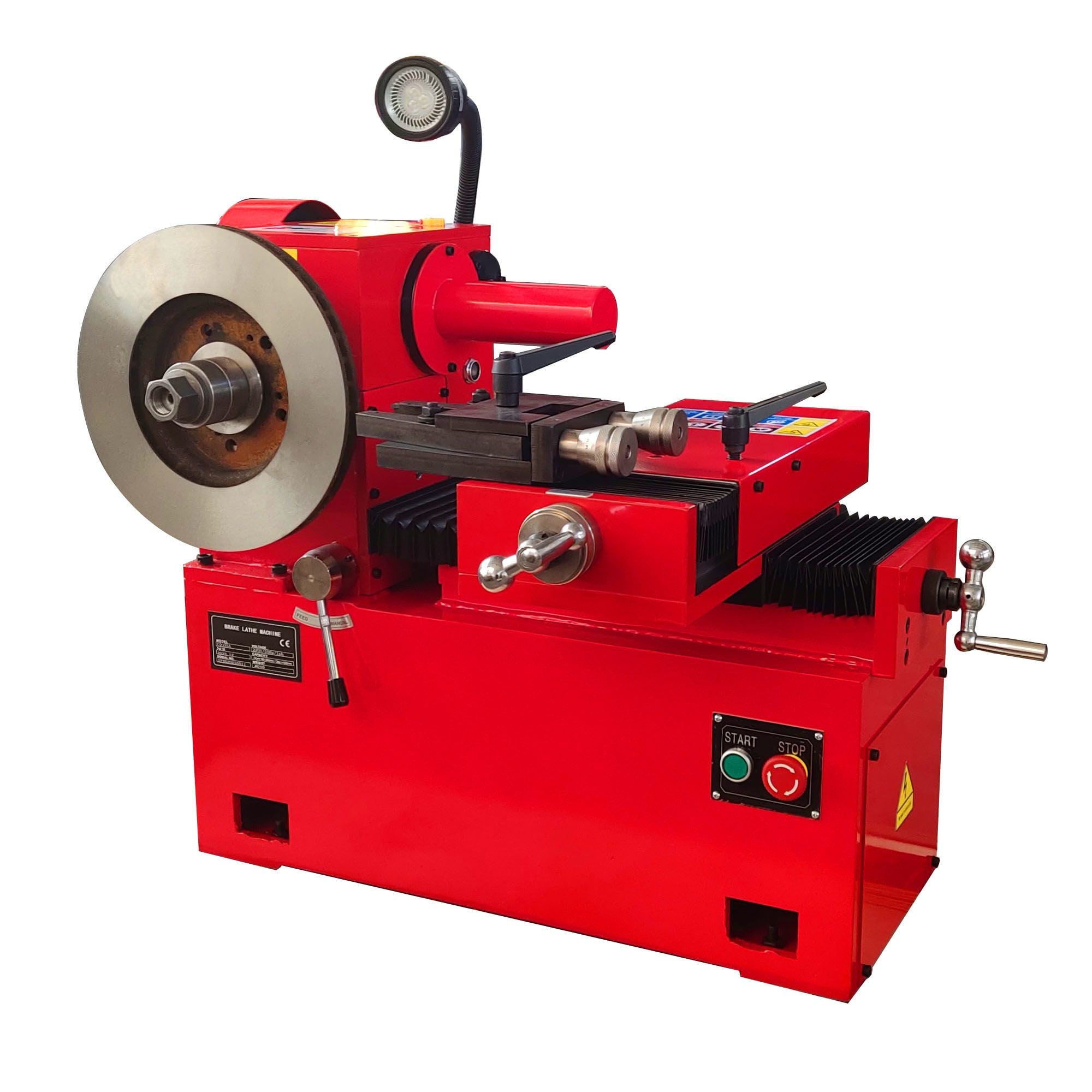
Cavalry C9335A Bench Type Car Brake Lathe Machine
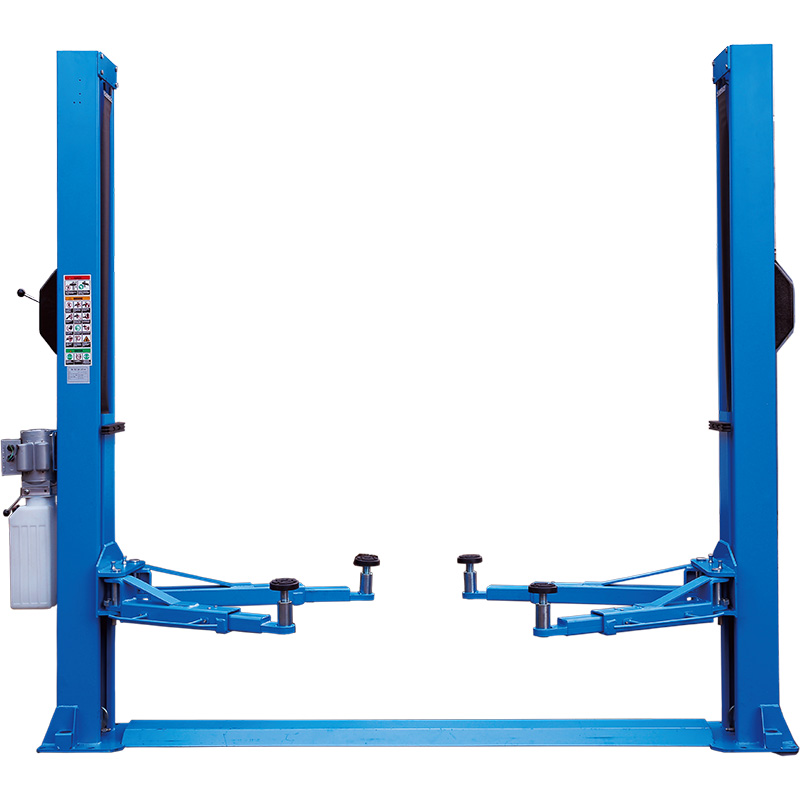
4 Ton Floor-Plate 2-Post Lift, Single-point manual release
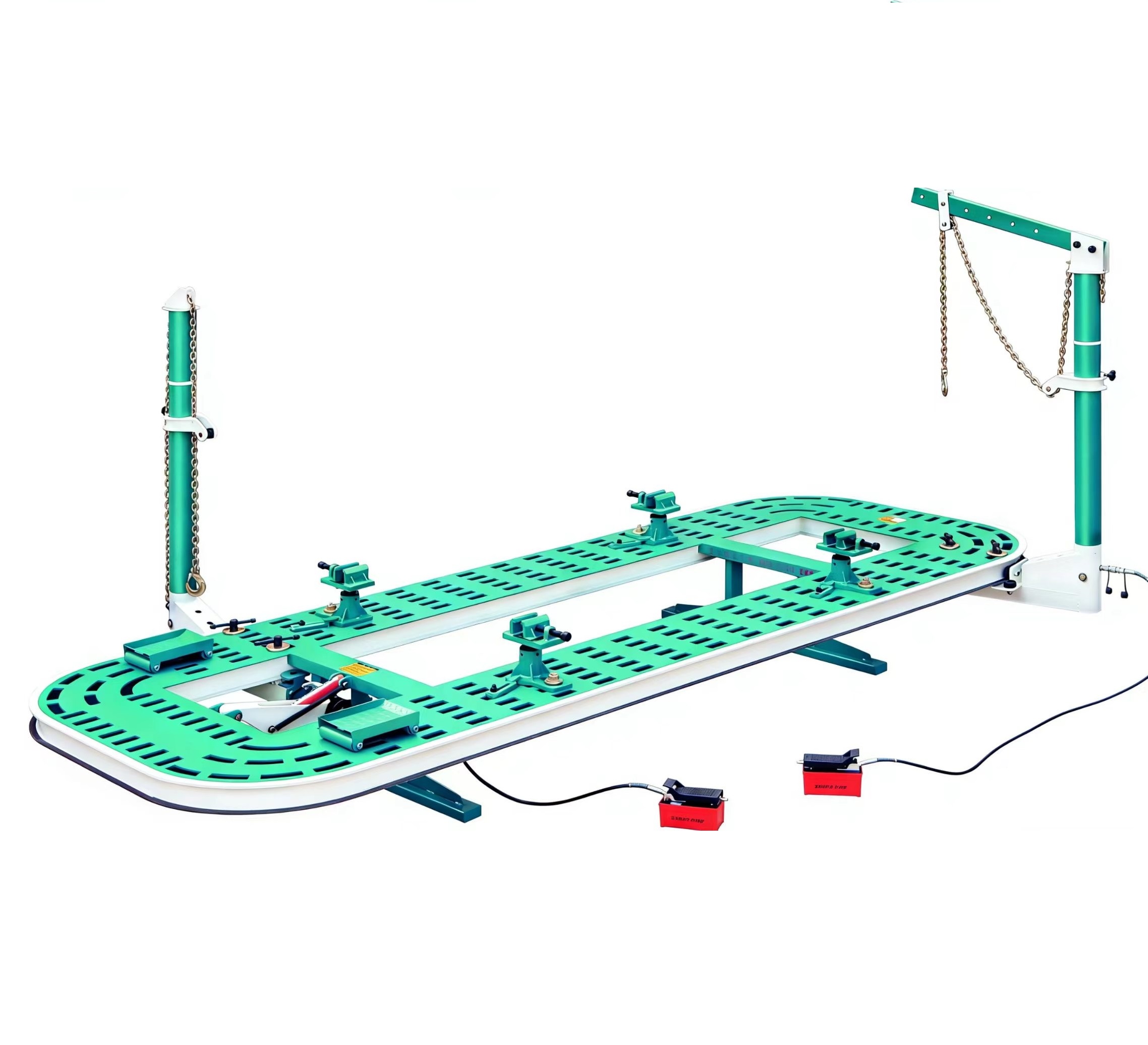
Cavalry UL-U299 Professional Car Body Repair Frame Machine
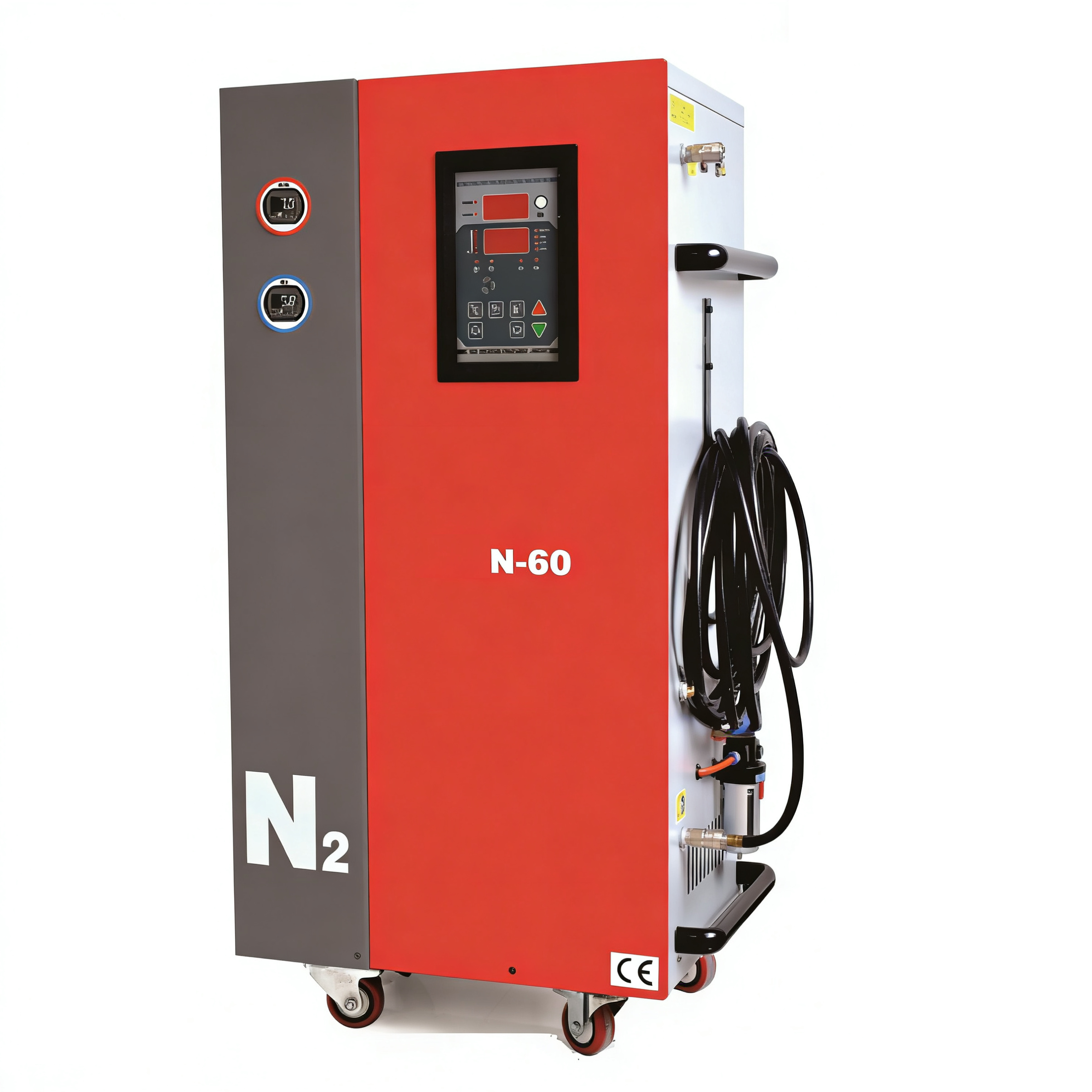
Nitrogen inflator N-60/N-60H
Copyright © 2026 by CAVALRY - Privacy policy