
 EN
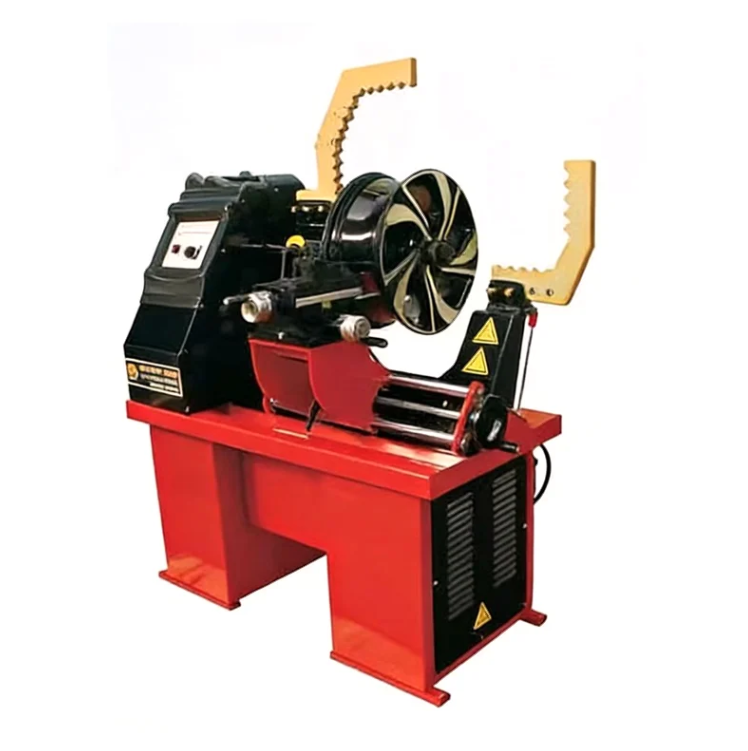
What a wheel straightening machine can and cannot change
A wheel straightening machine does one job well: it applies controlled force to a bent wheel so the rim returns closer to its original shape. That sounds simple, but the damage has to be structural and the metal has to be sound. The machine cannot add material, erase a crack, or restore a wheel that has been overheated or badly welded. Most modern units use hydraulic rams, adjustable support arms, and measuring tools to push a wheel back into tolerance. The work is part measurement, part feel, and part experience. A wheel with a mild bend often comes back to a usable condition. A wheel with a split bead seat or a crack near a spoke usually does not. The difference matters because a wheel holds air and carries vehicle load. A repair that looks straight on a balancer can still be unsafe if the casting or forging has lost strength.
Runout that turns into a steering wheel shake
Runout is the damage most drivers notice first. Lateral runout means the wheel wobbles side to side. Radial runout means the wheel is out of round. Both can come from a hard pothole hit, a curb strike, or years of rough roads. A wheel straightening machine can often correct mild to moderate runout by pushing the lip or barrel back into plane. The shop should measure before and after with a dial indicator, then compare the result with the original equipment specification. The Tire and Rim Association's yearbook and OE service manuals are common references for those limits. If runout is small and the wheel is crack free, straightening can solve a vibration that balancing alone will not fix. If the wheel is bent at the hub face or has a twisted spoke, the job gets much harder.
Curb strikes and bent outer lips
Curb damage is the classic candidate. A driver clips a curb, the outer lip folds inward, and the tire may lose air or the steering wheel may shake. A straightening machine with the right adapter can push that lip back without removing material. The trick is to work in small steps. One heavy push can crack an already stressed casting. A real world example comes from a busy tire shop in the Southeast. A delivery van arrived with a highway shake after a curb hit. The outer lip had a short bend, and a dial indicator showed lateral runout. The tire was demounted, the wheel was checked for cracks, and the bend was eased back with staged hydraulic pressure. The wheel was rechecked and balanced. A second wheel from the same van had a hairline crack near the bead seat, so it was pulled from service. That contrast is normal. Straightening is for bends, not for fractures.
Pothole damage, flat spots, and dished rims
Potholes create a different pattern. The impact can flatten a section of the rim, dish the barrel, or push the inner lip out of round. A wheel straightening machine can address some of this damage, especially when the deformation is localized and the alloy still has ductility. Deep folds, sharp creases, and thin walls are poor candidates. Aluminum can work harden, and a spot that has already been bent back once may crack on the next attempt. Steel wheels can also be straightened, but heavy rust or a previous weld changes the decision. A useful rule is simple. If the damage can be measured as runout and the metal passes a crack check, straightening may be worth trying. If the damage is a crease with visible stretching, replacement is the safer path.
| Damage pattern | Common symptom | Straightening machine fit | Critical check |
|---|---|---|---|
| Lateral runout | Steering shake at highway speed | Good candidate when crack free | Dial indicator before and after |
| Radial runout | Hop or uneven tire wear | Good candidate in mild to moderate cases | Bead seat and inner lip |
| Bent outer lip | Visible wobble or slow leak | Good candidate if no crack | Crack check at the bend |
| Flat spot or dished rim | Thump at low speed | Case by case | Metal thinning and work hardening |
| Spoke or face bend | Vibration and poor fit | Limited | Fixture support and hub face |
| Crack or previous weld | Air leak or visible line | Not suitable | Replace |
Face and spoke deflection, the harder calls
Not every bend lives at the rim edge. A hard impact can move the wheel face, tilt a spoke, or distort the mounting surface. Some of this damage can be corrected on a well equipped wheel straightening machine, but the setup is more demanding. The wheel needs proper support at the hub and controlled pressure at the right points. A twisted spoke may never return to the original geometry, and a bent hub face can affect how the wheel sits on the vehicle. Multi piece wheels add another layer. They may need to be disassembled before any straightening, and some manufacturers do not support repair of the centers. A shop should know when to stop. Forcing a stiff forged wheel or a complex multi piece design can create a safety problem that did not exist before.
Cracks, welds, and cosmetic rash are not straightening jobs
A wheel straightening machine is not a welding machine, a refinishing tool, or a cure for fatigue. Cracks, previous welds, severe corrosion, and damaged bolt holes fall outside the safe repair zone. Cosmetic curb rash is another category. It looks bad, but it does not change the wheel's geometry, so straightening does not address it. The same goes for clear coat damage, scratches, and minor gouges that do not affect runout. A shop that mixes up appearance work with structural work can create liability and, more importantly, put a driver at risk. The best process is boring but reliable. Clean the wheel, measure runout, inspect for cracks, check the bead seat, straighten only sound metal, recheck the geometry, and balance the assembly. For shops looking at equipment, CAVALRY has built a name in automotive equipment through manufacturing experience, quality control, and global supply support. The right machine helps, but the judgment behind it is what keeps wheels safe.